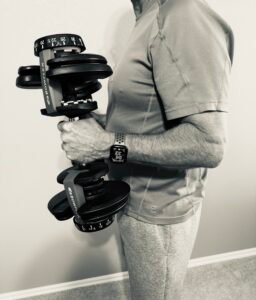

The energy that I bring to my workouts is definitely not consistent. Some days I’m pumped up and want to add extra intensity, and other days it’s all I can do just to get started.
Our bodies don’t have the same energy available every day. One thing I will say, though—on the days when we don’t feel like doing anything, it’s critical that we just show up and get started.
I can tell you from experience, that first step is everything. You may feel miserable, but once you start, it’s easier to keep going.
And I promise you—when you read through the causes of energy drain below, you’ll recognize every single one.
What Causes Energy to Fluctuate?
Sleep Quality (Not Just Hours)

When we don’t get high-quality sleep, we have lower strength, slower reaction time, and less motivation.
I can personally attest to this. I’m affected by all of these, but motivation is the biggest one for me. If I’m groggy and just generally tired, the last thing I want to do is get my heart rate up.
Nutrition and Hydration
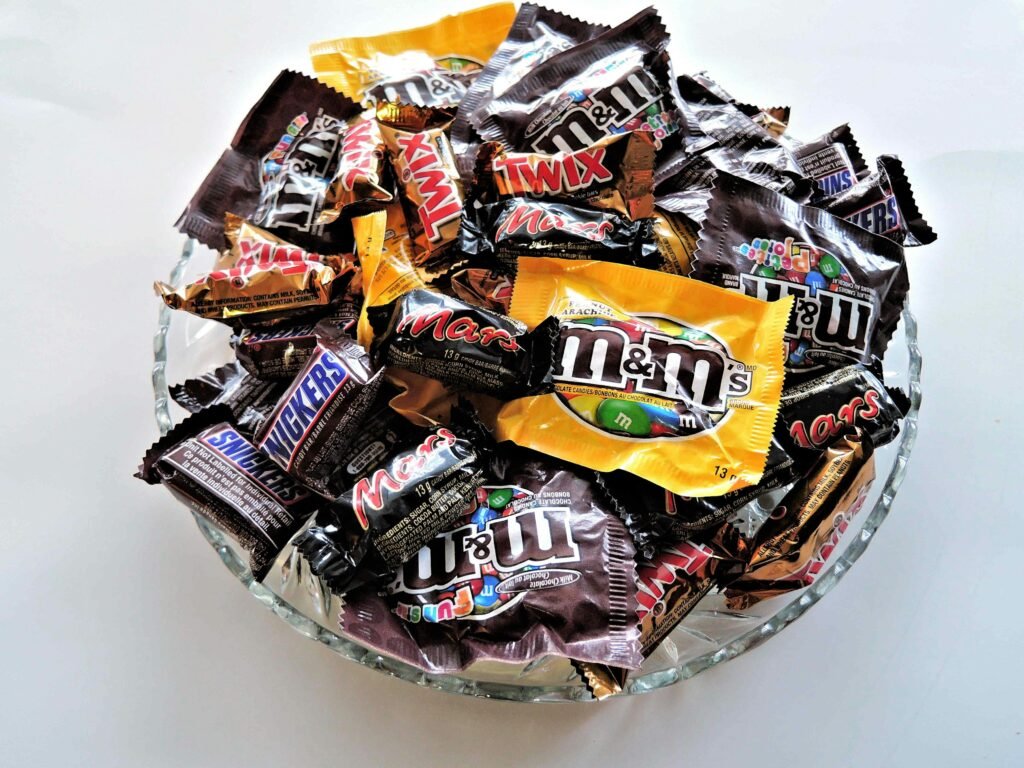
Ding, ding, ding… Monday is my toughest day for workout motivation.
If you’ve read my previous posts, you know I can get pretty “loose” with my diet on the weekends. Apparently, spending 48 hours consuming Peanut M&M’s and bourbon doesn’t exactly fuel a great Monday workout.
I also don’t drink as much water as I should on weekends, so I’m probably starting the week dehydrated as well.
Stress and Mental Load

People our age have a lot on their minds.
Retirement is either here or right around the corner, and that brings financial questions. Many of us have kids who suddenly turned into semi-functioning adults, and college expenses are very real.
It’s not just financial stress either—we think about our health, and many of us are also helping care for aging parents.
That mental load adds up, and it absolutely affects our physical energy.
Recovery from Previous Workouts

It’s not fun to admit, but it’s true—we don’t recover like we used to.
At our age, it’s not just muscle soreness. Now our joints join the party too. Recovery simply takes longer.
That said, some soreness is a good thing. It means your muscles are being challenged and adapting.
Hormonal and Biological Rhythms

This isn’t just about age—our bodies naturally operate on rhythms.
Some people are morning people, others are night people. Energy can vary based on time of day, not just day to day.
I’m a morning person. I can push myself much harder in a morning workout than I ever could in the evening.
Consistency vs. Burnout

Sometimes we just go too hard for too many days in a row, and our bodies tell us to back off.
It’s important to listen—but that doesn’t mean doing nothing.
Don’t mail it in completely. If all you can manage is a walk around the block, that still counts.
Reframe Your Mind
It’s important not to judge your workouts.
Some days will feel great. Others won’t.
If you have a high-energy day, push yourself. If it’s a low-energy day, focus on simply doing something.
Not every workout is meant to be your best—some are just meant to be done.
Strategy
Shift Gears When Needed

On high-energy days, push harder and go longer.
On medium days, stick to your normal routine.
On low-energy days, walk, stretch, or use light weights. Don’t worry about intensity—just keep the habit alive.
Have a Minimum

On days when you’re dragging, set a minimum standard.
Maybe it’s a 20-minute walk. Maybe it’s 10 minutes of stretching.
It doesn’t matter what it is—as long as you do something.
Track Patterns
When you have a low-energy day, ask why.
Was it sleep? Stress? Food? Just natural rhythms?
The more you understand your patterns, the better you can manage them—or at least not be surprised by them.
My Examples

You know I’m a big Peloton guy.
As I write this, it’s a Monday after a less-than-stellar weekend nutritionally.
On Peloton rides, instructors give resistance ranges—say 40 to 50. I usually aim for the middle or slightly higher.
Not today.
I wasn’t feeling it at all. I stayed at the low end and sometimes even rode at a slower cadence than recommended.
But I finished the ride.
I didn’t burn as many kilojoules as usual, but I still gave myself credit for 30 minutes of exercise.
Now compare that to last week.
Last Wednesday, I felt great. I did a 30-minute ride packed with Prince songs. I had been eating well, sleeping well, and everything just clicked.
I pushed hard and came close to a personal record.
That was just a few days apart—proof that peaks and valleys come quickly.
Closing Thoughts

Take what the day gives you—but take something every day.
When you feel good, push yourself.
When you don’t, focus on the minimum.
Nobody is judging your workouts. Consistency matters far more than perfection.
The real win isn’t having great energy—it’s not letting low energy stop you.